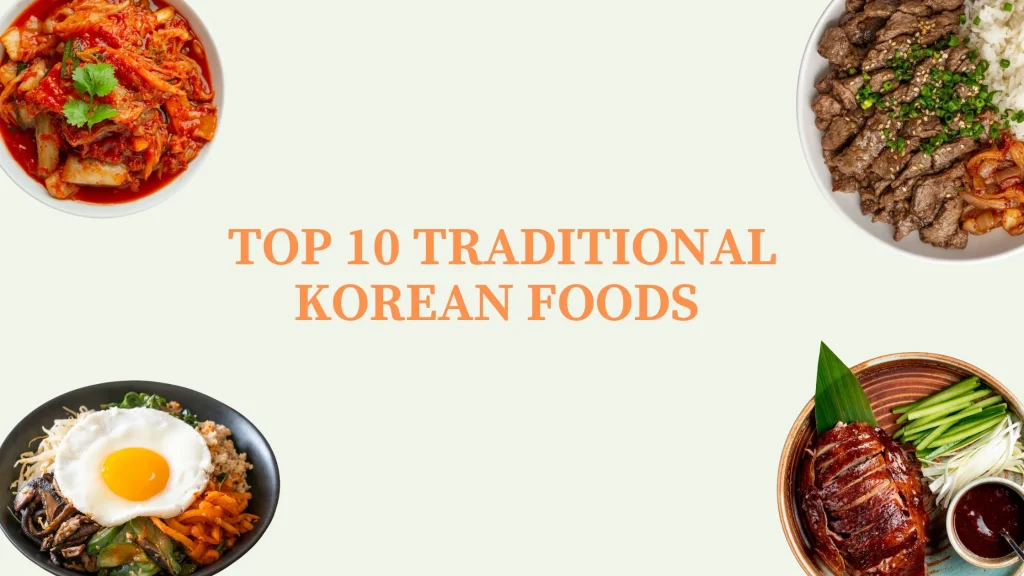
As we all know, Korean culture has taken the world like a storm. Not only their outfits, hairstyles, makeup and skincare, but also their traditional foods which conquered people’s hearts. It really attracted food lovers with its unique flavors, fermentation techniques and vibrant presentation.
You know, Dubai is home to some of the best restaurants serving traditional Korean food. And for offering an authentic taste of Korea, look no further than Mashisoyo Korean Restaurant.
If you are in Dubai, and craving Korean food, then you are in for a treat. From spicy stews to flaming BBQ, this blog will give you a guide to the top 10 must-try Korean dishes and where to find them.
In this blog,
Why is traditional Korean food unique?
Top 10 Korean traditional dishes you have to try.
Where to find authentic traditional Korean food in Dubai?
Mashisoyo Korean restaurant- a must-visit in Dubai.
Why is Traditional Korean Food Unique?
What is so special about Korean food, you may have thought this, right? It is because of its unique flavors, health benefits and their tradition.
Fermentation Techniques: Some dishes are fermented to increase their nutritional value and create rich flavors.
Banchan Culture: Korean side dishes, a meal is incomplete without these, including pickled vegetables, seasoned greens etc.
These have an immense range of health benefits as Korean cooking includes fresh ingredients, minimal oil, and nutrient-rich foods like tofu, seaweed, and fermented vegetables. The cultural significance of Koreans is sharing meals.
Whether it’s grilling meat at the table or mixing together, the experience promotes connection and community.
Top 10 Traditional Korean Dishes You Have To Try
1. Kimchi (김치)

Sounds interesting!
The most popular spicy flavored dish in Korea, stuffed with fermented cabbage, which is served as a side dish with almost every meal. Packed with probiotics, which are excellent for gut health, making a flexible addition to soups, stews, or even fried rice.
Calories: Approximately 20-40 calories per serving (100g)
Here’s a more detailed breakdown of the key ingredients:
Main Ingredients:
- Napa Cabbage (or Korean radish for some variations)
- Salt (for brining and preserving)
Seasoning Ingredients:
- Gochugaru (Korean Red Pepper Flakes) – Adds spice and color
- Garlic – Enhances flavor
- Ginger – Adds a mild, spicy aroma
- Fish Sauce or Fermented Shrimp (Saeujeot) – Provides umami taste
- Sugar – Balances flavors
- Scallions (Green Onions) – Adds freshness
Optional Ingredients for Extra Flavor:
- Carrots – For crunch and sweetness
- Apple or Pear – For natural sweetness and fermentation boost
- Rice Flour Paste – Helps coat ingredients and enhances fermentation
2. Bibimbap (비빔밥)

What about a colorful one?
Bowl of rice topped with fried vegetables, marinated beef, a fried egg and spicy Gochujang sauce. It is a mixed rice and is perfectly enjoyed when you combine all the ingredients thoroughly before trying.
Calories: Around 500-600 calories per serving (1 bowl)
Main Ingredients:
- Steamed White Rice (밥) – The base of the dish.
- Vegetables (나물) (lightly sautéed or blanched):
- Carrots (당근) – Julienned
- Spinach (시금치) – Blanched and seasoned
- Bean Sprouts (숙주나물) – Blanched and seasoned
- Zucchini (호박) – Sautéed
- Shiitake Mushrooms (표고버섯) – Sliced and stir-fried
- Protein:
- Marinated Beef (소고기) – Usually thinly sliced and stir-fried (can be replaced with chicken, tofu, or mushrooms for a vegetarian option).
- Fried Egg (계란) – Typically sunny-side up.
Bibimbap Sauce (비빔장):
- Gochujang (고추장) – Korean red chili paste (main ingredient).
- Soy Sauce (간장)
- Sesame Oil (참기름)
- Honey or Sugar (꿀/설탕)
- Garlic (마늘), minced
- Rice Vinegar (식초) (optional)
Garnishes:
- Sesame Seeds (참깨) – For extra flavor.
- Green Onions (파) – Thinly sliced.
- Nori (김) – Shredded dried seaweed (optional).
3. Bulgogi (불고기)

This may be a familiar one!
Bulgogi means “fire meat“, thinly sliced beef marinated in a sweet-savory mix of soy sauce, sugar, sesame oil, garlic and onions. Grilled or stir-fried and often served with lettuce wraps for the dining experience.
Calories: Roughly 300-400 calories per serving (150g)
Main Ingredients:
- Beef (Ribeye or Sirloin) – Thinly sliced for better absorption of marinade and tenderness.
Marinade Ingredients:
- Soy Sauce – For umami and saltiness.
- Sugar (or Honey, Brown Sugar, or Pear Puree) – Adds sweetness and helps tenderize the meat.
- Garlic (Minced) – Enhances flavor.
- Ginger (Grated or Minced) – Adds a subtle spice.
- Sesame Oil – Gives a nutty aroma.
- Black Pepper – For mild heat.
- Green Onion (Chopped) – Adds freshness.
- Asian Pear or Apple (Pureed, Optional) – Helps tenderize the meat.
- Rice Wine or Mirin (Optional) – Adds depth of flavor.
Optional Ingredients for Serving:
- Sesame Seeds – Garnish for extra nuttiness.
- Sliced Onions, Carrots, or Mushrooms – Can be stir-fried with the beef.
- Lettuce or Perilla Leaves – For wrapping the meat.
- Steamed Rice – Traditional side.
Suggested Reading: Why is Bulgogi Important To Korea?
4. Samgyeopsal (삼겹살)

Next one is pork.
Samgyeopsal is a grilled pork belly that is crispy on the outside and juicy inside. Served with sauces like sesame oil with salt or Gochujang paste. And if you are a BBQ lover, then, it’s a must-try dish.
Calories: Approximately 450-500 calories per serving (200g of pork belly)
Main Ingredient:
- Pork Belly (Samgyeopsal, 삼겹살) – Thick, uncured, and unsalted slices of pork belly
Common Side Dishes & Accompaniments:
- Lettuce (Sangchu, 상추) – For wrapping the meat
- Perilla Leaves (Kkaennip, 깻잎) – Adds a unique, aromatic flavor
- Garlic (Manul, 마늘) – Sliced raw or grilled
- Green Chilies (Cheongyang-gochu, 청양고추) – For extra spice
- Kimchi (김치) – Fermented cabbage for a tangy, spicy taste
- Sliced Onion (Yangpa, 양파) – Often marinated in soy sauce or grilled
- Mushrooms (Beoseot, 버섯) – Commonly grilled with the pork
- Pickled Radish (Musaengchae, 무생채) – Slightly sweet and tangy
Dipping Sauces (Ssamjang & Others):
- Ssamjang (쌈장) – A thick paste made of doenjang (fermented soybean paste), gochujang (red chili paste), garlic, sesame oil, and green onions
- Salt & Sesame Oil (소금과 참기름) – Mixed with black pepper for dipping
- Soy Sauce Marinade (Optional) – Soy sauce, vinegar, sugar, and onions for dipping
Optional Extras:
- Rice (Bap, 밥) – Steamed white rice served alongside
- Korean Instant Noodles (Ramyeon, 라면) – Sometimes enjoyed together
- Soju (소주) – A popular alcoholic drink paired with Samgyeopsal
5. Tteokbokki (떡볶이)

You all love street foods, right?
This is a popular street special, chewy rice cakes cooked in a fiery red Gochujang sauce, sweet, spicy, and savory all at once. Tteokbokki is a comfort dish and the easiest street food you can make at home.
Calories: About 250-300 calories per serving (100g)
Main Ingredients:
- Tteok (떡): Korean rice cakes (garaetteok, cylindrical rice cakes)
- Fish cakes (어묵, Eomuk): Sliced Korean fish cakes (optional but common)
- Boiled eggs (삶은 계란): Optional but often added
- Green onions (파): Chopped, for garnish and flavor
Tteokbokki Sauce Ingredients:
- Gochujang (고추장): Korean red chili paste (main source of spiciness)
- Gochugaru (고춧가루): Korean red chili flakes (adds extra heat)
- Soy sauce (간장): For depth of flavor
- Sugar (설탕): Usually white sugar or brown sugar, for sweetness
- Garlic (마늘): Minced, for extra flavor
- Dashi stock (다시국물): Usually made from anchovies and kelp, enhances umami (can use water instead)
Optional Additions:
- Sesame seeds (참깨): For garnish
- Sesame oil (참기름): For added aroma and richness
- Ramen noodles (라면사리): Sometimes added for extra texture
- Cheese (치즈): Melts on top for a creamy taste
6. Jjajangmyeon (짜장면)
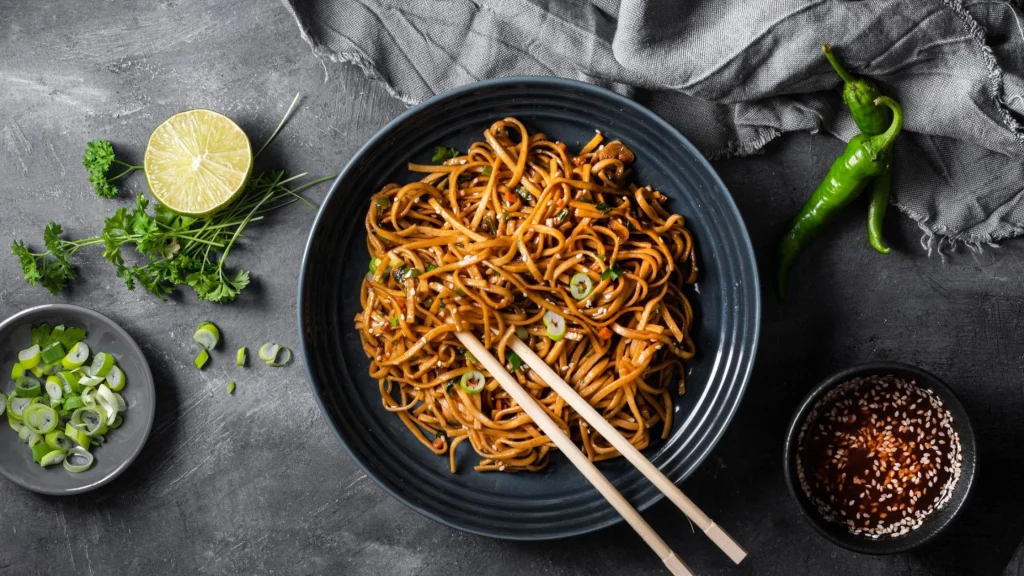
This is a Korean-Chinese combo.
Made with black bean paste noodles covered with diced pork and vegetables. When you try this, you will definitely say that Jjajangmyeon is a hearty and satisfying dish, a go-to comfort meal of many Koreans.
Calories: Approximately 600-700 calories per serving (1 bowl)
Main Ingredients:
- Noodles: Thick, chewy wheat noodles (Jjajangmyeon noodles)
- Pork (or Beef/Chicken): Traditionally diced pork belly is used
- Chunjang (춘장): Korean black bean paste, the main ingredient for the sauce
- Vegetables:
- Onion (finely chopped)
- Zucchini
- Potato
- Cabbage
- Carrot
- Garlic: Minced or chopped for extra flavor
For the Sauce:
- Chunjang (Korean black bean paste)
- Sugar: To balance the bitterness of chunjang
- Soy Sauce: For added umami
- Oyster Sauce (optional): Enhances depth of flavor
- Cornstarch Slurry: Thickens the sauce (cornstarch + water)
- Sesame Oil: Adds fragrance and enhances flavor
- Water or Chicken/Beef Stock: Helps create a smooth sauce
Toppings & Garnish:
- Cucumber (Julienned): For freshness and crunch
- Fried Egg (optional): A popular addition
- Pickled Radish (Danmuji, 단무지): Served on the side
7. Japchae (잡채)
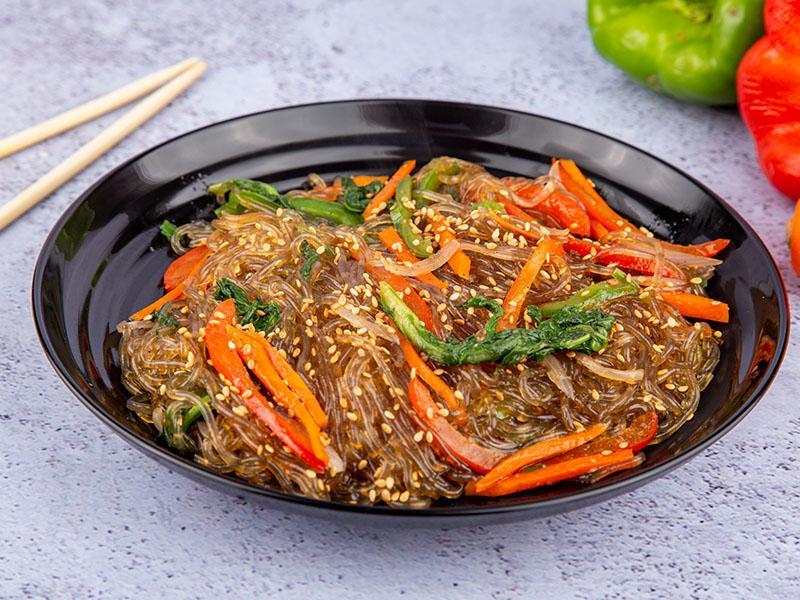
What about having a sweet Korean dish?
Japchae is a stir-fried noodle dish made from sweet potato glass noodles mixed with vegetables like spinach and carrots, as well as thinly sliced beef. It’s slightly sweet flavor makes it a favorite at celebrations.
Calories: Around 210-252 calories per serving (1 cup, about 220g).
Main Ingredients
- Dangmyeon (당면) – Korean sweet potato starch noodles
- Beef (소고기) – Thinly sliced (can be substituted with chicken, pork, or tofu for a vegetarian version)
- Spinach (시금치) – Blanched and seasoned
- Carrots (당근) – Julienned
- Onion (양파) – Thinly sliced
- Bell Pepper (피망, optional) – Julienned (red, yellow, or green for color)
- Mushrooms (버섯) – Shiitake or wood ear mushrooms, sliced
- Egg (계란, optional) – Beaten, cooked into a thin omelet, and sliced
Seasonings & Sauce
- Soy sauce (간장) – For seasoning
- Sesame oil (참기름) – For flavor and aroma
- Sugar (설탕) – Adds sweetness
- Garlic (마늘) – Minced
- Salt (소금) – For seasoning the spinach and overall taste
- Black pepper (후추) – To taste
- Sesame seeds (깨) – Toasted, for garnish
8. Kimchi Jjigae (김치찌개)
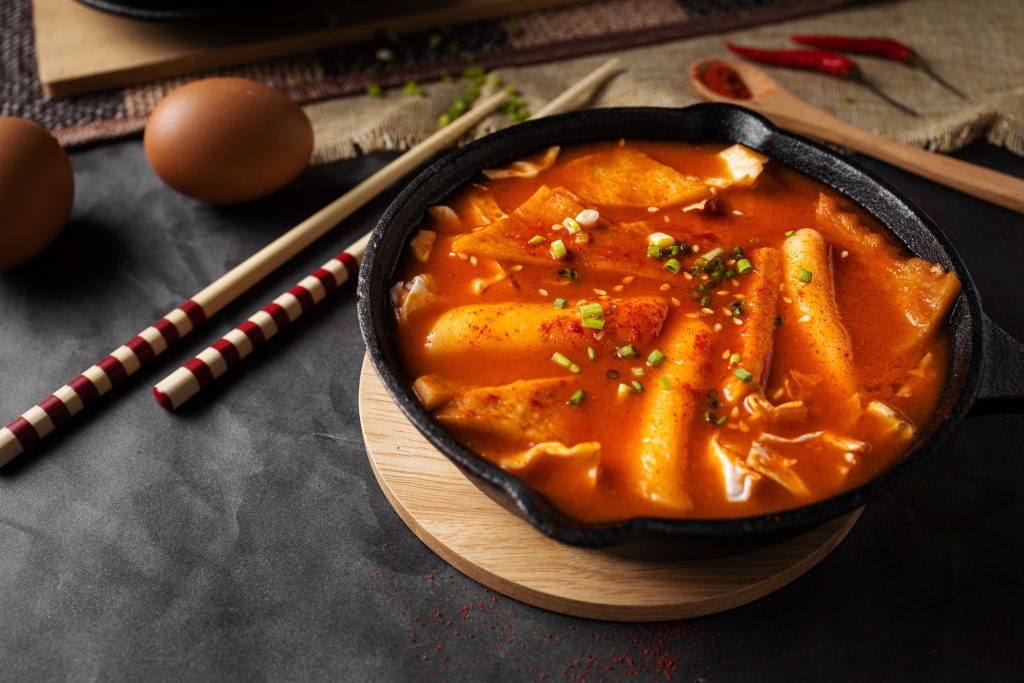
Oh, it’s spicy!
A spicy stew made with aged kimchi, tofu, pork or seafood, and vegetables. It is served boiled in a stone pot near the side of steamed rice. If you are craving something chilly in your evenings, go and get this.
Calories: Roughly 250-300 calories per serving (1 bowl)
Key Ingredients:
- Aged Kimchi: The star ingredient, providing deep, tangy, and umami-rich flavors.
- Protein: Typically pork belly or canned tuna, but variations with beef or mushrooms exist.
- Tofu: Adds a soft texture and balances the heat.
- Gochujang (Korean Chili Paste) & Gochugaru (Chili Flakes): Enhance the spiciness.
- Anchovy or Beef Broth: Creates a rich and flavorful base.
- Garlic & Onion: Boosts the umami and aroma.
9. Haemul Pajeon (해물파전)
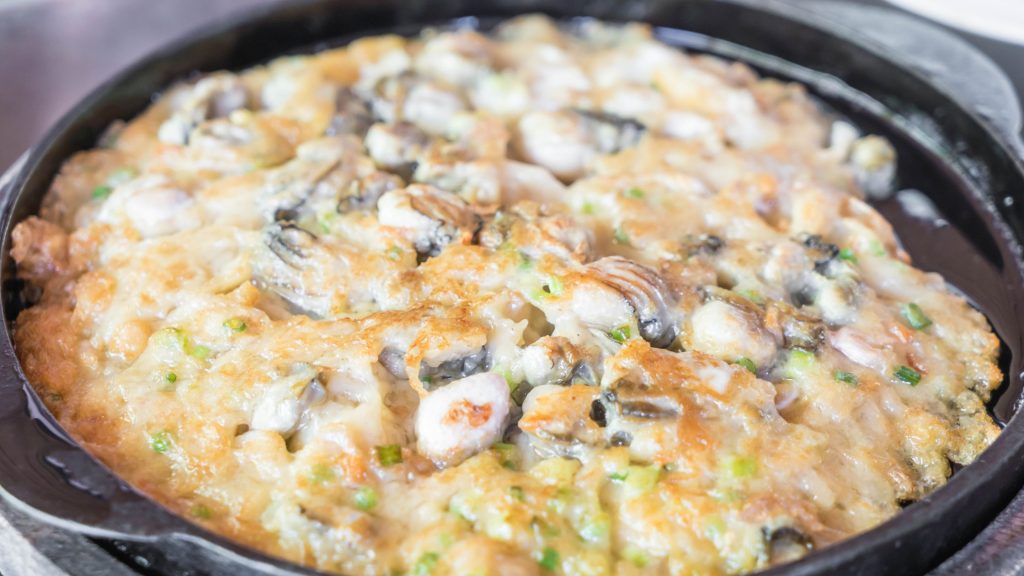
Who doesn’t like pancakes right?
This is something different, loaded with seafood like squid and green onions. It is crispy outside and soft inside and can be beautifully paired with Makgeolli (Korean rice wine). Try it once when you are in Dubai.
Calories: Approximately 300-400 calories per serving (1 pancake)
10. Sundubu Jjigae (순두부찌개)
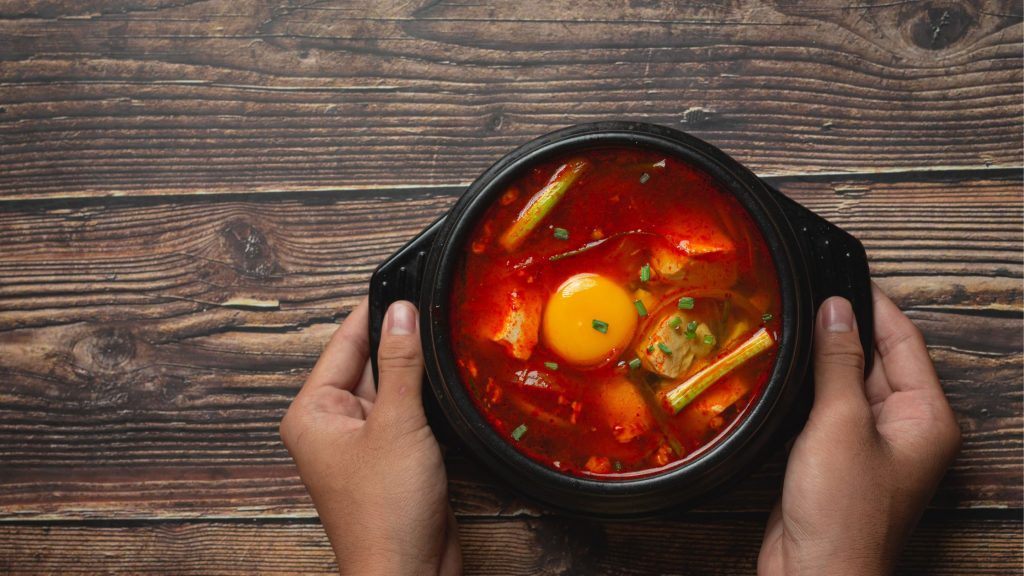
This is a comforting one.
Stew made with soft tofu, seafood or port and Gochugaru (chili powder). It’s served bubbling hot in a stone bowl with raw egg to mix into the broth.
Calories: About 250-350 calories per serving (1 bowl)
Where to Find Authentic Traditional Korean Food in Dubai?
Dubai is witnessing a rapid growth in Korean cuisine, with an increasing number of restaurants offering a variety of traditional dishes. This flow is largely because of the city’s diverse population and the rising popularity of Korean culture, including K-pop and Korean dramas.
Downtown Dubai: Known for its luminous dining. Features several Korean restaurants that provide a fine dining experience with traditional flavors.
Jumeirah: This is home to many restaurants, making it a hub for those looking to enjoy Korean BBQ and other authentic dishes.
Business Bay: As a prime business city, Business Bay has a lot of casual spots, allowing professionals to enjoy quick, even delicious Korean meals for lunch or breaks.
Key Points Covered
Dubai is now watching a rapid growth of Korean restaurants.
Korean foods have their speciality because of their unique flavors, health benefits and more.
From Kimchi to Sundubu Jjigae, there are many Korean dishes to try.
Korean restaurants can be found in many regions including Downtown Dubai, Jumeirah, Business Bay etc.
Mashisoyo Korean restaurant is the best in the town for authentic Korean flavors.
Mashisoyo Korean Restaurant – A Must-Visit in Dubai
Want to try Korean specials? Are you looking for an authentic Korean restaurant in Dubai?
Mashisoyo Korean Restaurant is the top in the City. Our menu lists classic dishes that are prepared using traditional recipes. Whether you need a spicy one or sweet flavored one, we are ready to serve. Being in this industry, we never failed to provide excellent customer service.
We will give you an inviting atmosphere, allowing you to make the dining experience more memorable and make you want to come back. No matter, if you are craving lunch or for an evening break, we have got you covered.
Just give it a try!


